Wing 06༦
Masters & Lineage Holders
བླ་མ
Kings, translators, yogis, scholars and teachers across thirteen centuries, with dates, teachers, students and works.
48biographies
Dharma King
07Dharma Kingr. c. 618–650
Songtsen Gampo
སྲོང་བཙན་སྒམ་པོ
Emperor who unified the Tibetan plateau in the seventh century, made Lhasa a royal seat and is remembered as the first of Tibet’s three Dharma Kings.
FT·MAS·001
Dharma Kingd. 680
Princess Wencheng
རྒྱ་བཟའ་ཀོང་ཇོ
Tang princess married into the Tibetan royal house in 641, credited by tradition with bringing the Jowo Shakyamuni statue to Lhasa and honoured as an emanation of Tara.
FT·MAS·002
Dharma Kingr. 755–c. 797
Trisong Detsen
ཁྲི་སྲོང་ལྡེ་བཙན
Eighth-century emperor who made Buddhism the religion of the Tibetan court, founded Samye monastery and sponsored the first large-scale translation of scripture.
FT·MAS·003
Dharma Kingr. c. 838–842
Langdarma
གླང་དར་མ
Last emperor of unified Tibet, remembered in Buddhist histories as a persecutor of the Dharma; his killing in 842 was followed by the break-up of the empire.
FT·MAS·004
Dharma Kingr. c. 815–838
Tri Ralpachen
ཁྲི་རལ་པ་ཅན
Ninth-century emperor, third of the Dharma Kings, who concluded the peace treaty of 821–822 with Tang China and sponsored the revision of Buddhist translations.
FT·MAS·005
Dharma Kinglegendary; traditionally 127 BCE
Nyatri Tsenpo
གཉའ་ཁྲི་བཙན་པོ
Legendary first king of Tibet and founder of the Yarlung dynasty, said to have descended from the sky and been carried to his throne on the necks of his subjects.
FT·MAS·006
Dharma King7th century (traditional)
Bhrikuti
བལ་མོ་བཟའ་ཁྲི་བཙུན
Nepalese princess whom Tibetan tradition names as a queen of Songtsen Gampo, founder of the Jokhang and bearer of the Jowo Mikyo Dorje statue to Lhasa.
FT·MAS·007
Indian Master
11Indian Masterc. 725–788
Shantarakshita
ཞི་བ་འཚོ
Indian philosopher and abbot who ordained the first Tibetan monks at Samye and joined Madhyamaka, Yogachara and Buddhist logic in a single system of thought.
FT·MAS·008
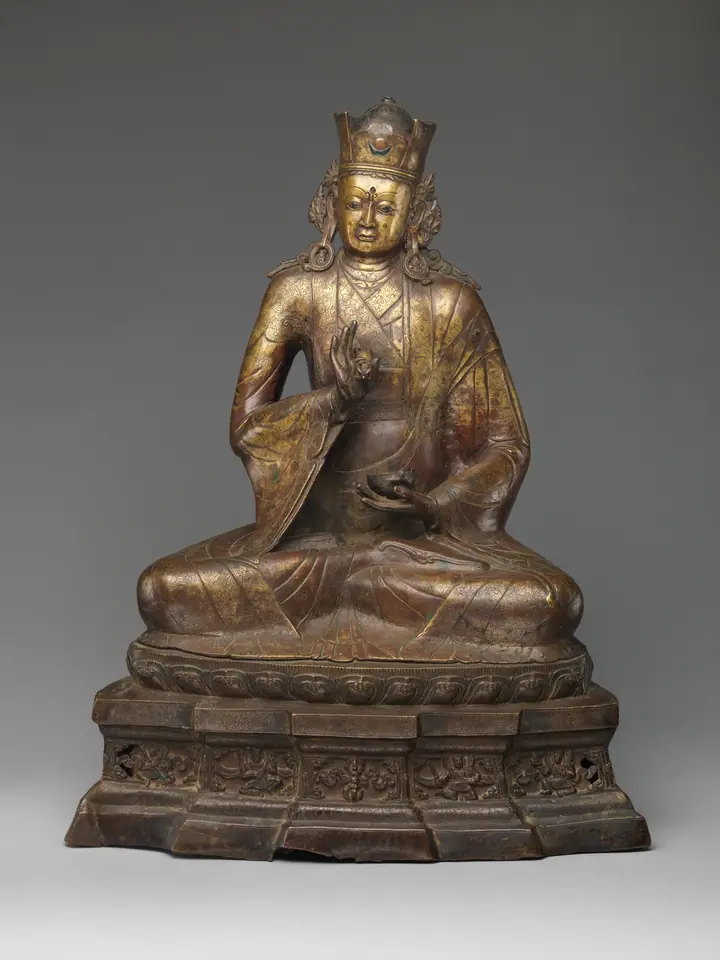
Indian Master8th century
Padmasambhava
པདྨ་འབྱུང་གནས
Eighth-century tantric master from Oddiyana, revered as Guru Rinpoche, the ‘second Buddha’ who subdued Tibet’s local deities and established the Vajrayana there.
FT·MAS·009
Indian Master8th century
Vimalamitra
དྲི་མེད་བཤེས་གཉེན
Indian scholar and Dzogchen master invited to Tibet in the late eighth century, source of the Vima Nyingthig and of key translations of Mahayoga tantra.
FT·MAS·010
Indian Masterlegendary; traditional dates vary
Garab Dorje
དགའ་རབ་རྡོ་རྗེ
First human teacher of Dzogchen in Nyingma tradition, a semi-legendary master of Oddiyana whose testament is the Three Statements that Strike the Vital Point.
FT·MAS·011
Indian Masterc. 150–250 CE
Nagarjuna
ཀླུ་སྒྲུབ
South Indian philosopher of about the second century, founder of the Madhyamaka or Middle Way school, whose analysis of emptiness underlies all Tibetan Buddhist thought.
FT·MAS·012
Indian Masterc. 4th century CE
Asanga
ཐོགས་མེད
Fourth-century Indian master from Gandhara, founder with his brother Vasubandhu of the Yogachara school and transmitter of the Five Treatises of Maitreya.
FT·MAS·013
Indian Masterc. late 7th–mid 8th century
Shantideva
ཞི་བ་ལྷ
Indian monk-poet of Nalanda, author of the Bodhicharyavatara, the guide to the bodhisattva’s way of life that is among the most studied texts in Tibetan Buddhism.
FT·MAS·014
Indian Masterc. 600–650
Chandrakirti
ཟླ་བ་གྲགས་པ
Seventh-century Madhyamaka philosopher of Nalanda whose Entering the Middle Way and Clear Words became the standard reading of Nagarjuna in Tibet.
FT·MAS·015
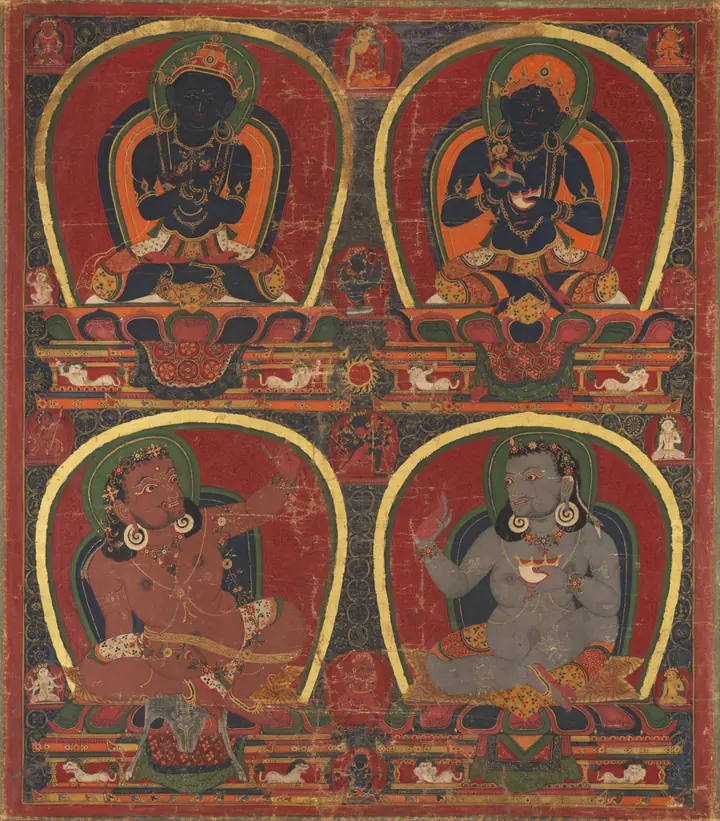
Indian Masterc. 8th–10th century
Virupa
བིརྺ་པ
Indian mahasiddha revered as the ‘Lord of Yogins’, author of the Vajra Verses that are the root of the Sakya school’s Lamdre, the Path with its Result.
FT·MAS·016
Indian Master10th–11th century; traditionally 988–1069
Tilopa
ཏི་ལོ་པ
Bengali mahasiddha honoured as the human source of the Kagyu lineage, who taught Mahamudra and the tantric yogas later systematised by his student Naropa.
FT·MAS·017
Indian Master11th century; traditionally 1016–1100
Naropa
ནཱ་རོ་པ
Indian scholar turned yogin, student of Tilopa and teacher of Marpa in Tibetan tradition, whose name is attached to the Six Dharmas at the heart of Kagyu practice.
FT·MAS·018
Nyingma Master
06Nyingma Master1308–1364
Longchenpa
ཀློང་ཆེན་རབ་འབྱམས
Greatest systematiser of Dzogchen, whose Seven Treasuries and Heart Essence collections give the Nyingma school its philosophical foundation.
FT·MAS·019
Nyingma Master1646–1714
Terdak Lingpa
གཏེར་བདག་གླིང་པ
Treasure revealer and founder of Mindrolling monastery, teacher of the Fifth Dalai Lama, who with his brother Lochen Dharmashri renewed the Nyingma transmitted teachings.
FT·MAS·020
Nyingma Master1730–1798
Jigme Lingpa
འཇིགས་མེད་གླིང་པ
Visionary and author who revealed the Longchen Nyingthig, the Dzogchen cycle that became the most widely practised system of the Nyingma school.
FT·MAS·021
Nyingma Master1808–1887
Patrul Rinpoche
དཔལ་སྤྲུལ་རིན་པོ་ཆེ
Wandering Nyingma teacher of eastern Tibet, author of The Words of My Perfect Teacher, loved for his plain speech, humility and teaching of the Bodhicharyavatara.
FT·MAS·022
Nyingma Master8th century
Vairotsana
བཻ་རོ་ཙ་ན
Greatest of the early Tibetan translators, one of the first monks ordained at Samye, who is said to have brought the Mind and Space series of Dzogchen from India.
FT·MAS·023
Nyingma Master14th century
Karma Lingpa
ཀརྨ་གླིང་པ
Fourteenth-century treasure revealer from Dakpo who discovered the Peaceful and Wrathful Deities cycle containing the Bardo Thodol, the ‘Tibetan Book of the Dead’.
FT·MAS·024
Kadam Master
02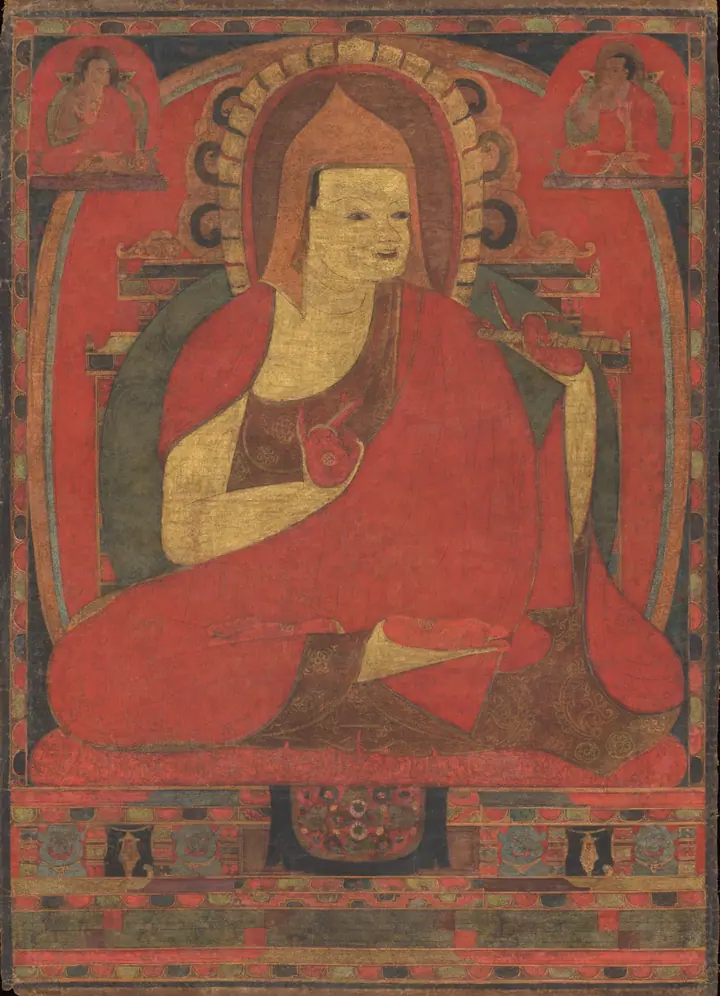
Kadam Master982–1054
Atisha
ཨ་ཏི་ཤ
Bengali abbot of Vikramashila who came to Tibet in 1042, wrote the Lamp for the Path to Enlightenment and inspired the Kadam school founded by his disciples.
FT·MAS·025
Kadam Master1004/5–1064
Dromtonpa
འབྲོམ་སྟོན་པ་རྒྱལ་བའི་འབྱུང་གནས
Tibetan lay disciple and chief heir of Atisha, who founded Reting monastery in 1056–57 and organised his master’s followers into the Kadam school.
FT·MAS·026
Kagyu Master
08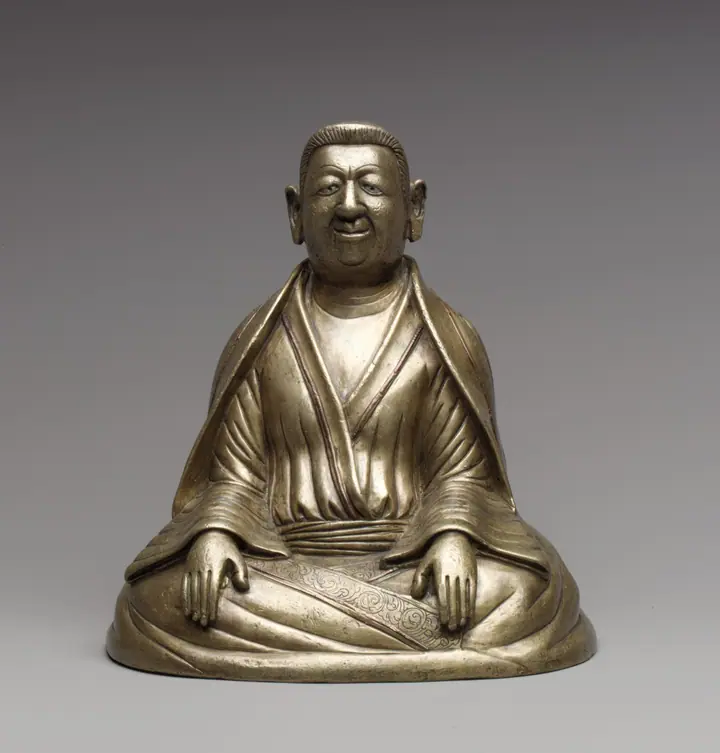
Kagyu Masterc. 1012–1097
Marpa
མར་པ་ཆོས་ཀྱི་བློ་གྲོས
Farmer, householder and translator from Lhodrak who carried Mahamudra and the Six Dharmas from India and is regarded as the Tibetan founder of the Kagyu school.
FT·MAS·027
Kagyu Masterc. 1040–1123
Milarepa
མི་ལ་རས་པ
Tibet’s most beloved yogin and poet, who turned from sorcery and murder to a life of solitary meditation and is said to have attained awakening in a single lifetime.
FT·MAS·028
Kagyu Master1079–1153
Gampopa
སྒམ་པོ་པ་བསོད་ནམས་རིན་ཆེན
Physician and Kadam monk who became Milarepa’s heir, joined monastic discipline to Mahamudra meditation and founded the monastic Kagyu order at Daklha Gampo.
FT·MAS·029
Kagyu Master1110–1193
Dusum Khyenpa
དུས་གསུམ་མཁྱེན་པ
First Karmapa, a student of Gampopa who founded Tsurphu and Karma Gon monasteries and began the oldest line of recognised reincarnate lamas in Tibet.
FT·MAS·030
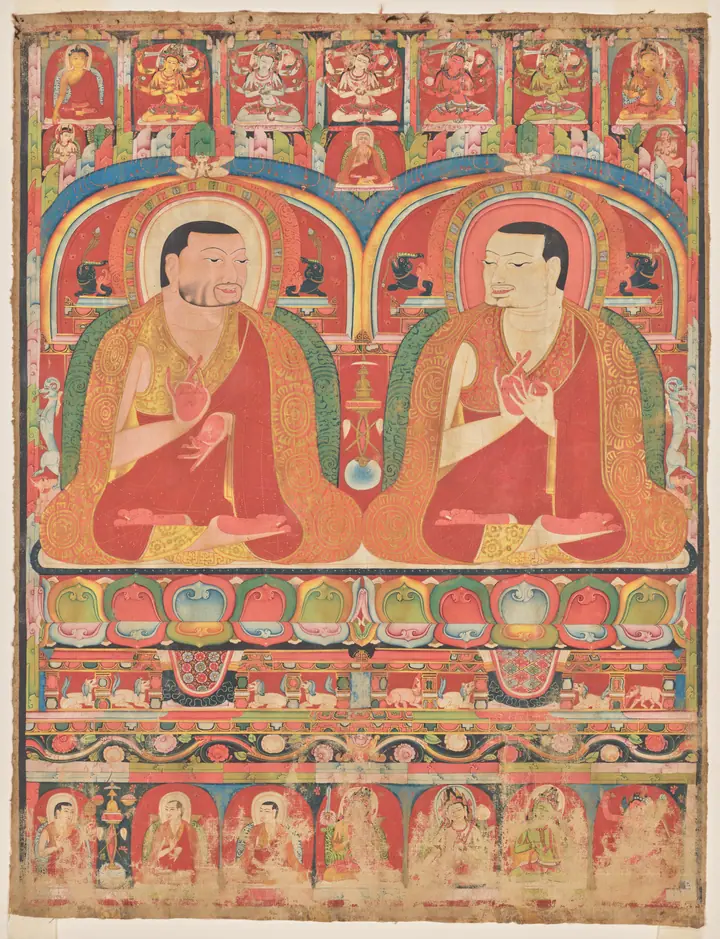
Kagyu Master1110–1170
Phagmo Drupa
ཕག་མོ་གྲུ་པ་རྡོ་རྗེ་རྒྱལ་པོ
Disciple of Gampopa whose hermitage at Phagmodru grew into Densatil monastery and whose students founded eight of the Kagyu sub-schools.
FT·MAS·031
Kagyu Master1284–1339
Rangjung Dorje
རང་བྱུང་རྡོ་རྗེ
Third Karmapa, a scholar and visionary who joined Kagyu Mahamudra with Nyingma Dzogchen and wrote influential works on buddha-nature and the subtle body.
FT·MAS·032
Kagyu Master1452–1507
Tsangnyon Heruka
གཙང་སྨྱོན་ཧེ་རུ་ཀ
The ‘Madman of Tsang’, a wandering Kagyu yogin who composed and printed the classic Life of Milarepa and the Hundred Thousand Songs in 1488.
FT·MAS·033
Kagyu Master1594–1651
Zhabdrung Ngawang Namgyal
ཞབས་དྲུང་ངག་དབང་རྣམ་རྒྱལ
Drukpa Kagyu hierarch from Ralung who left Tibet in 1616, unified Bhutan, built its great dzongs and created its dual system of religious and civil rule.
FT·MAS·034
Sakya Master
04Sakya Master1034–1102
Khon Konchok Gyalpo
འཁོན་དཀོན་མཆོག་རྒྱལ་པོ
Head of the Khon family who studied the new tantras under Drokmi Lotsawa and in 1073 founded Sakya monastery, the origin of the Sakya school.
FT·MAS·035
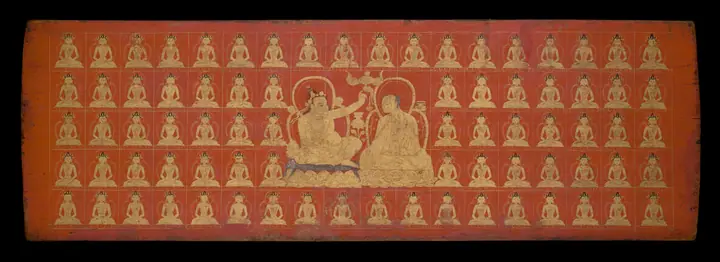
Sakya Master1092–1158
Sachen Kunga Nyingpo
ས་ཆེན་ཀུན་དགའ་སྙིང་པོ
First of the five founding masters of Sakya, who gathered the Lamdre and other tantric lineages and received Parting from the Four Attachments in a vision of Manjushri.
FT·MAS·036
Sakya Master1182–1251
Sakya Pandita
ས་སྐྱ་པཎྜི་ཏ་ཀུན་དགའ་རྒྱལ་མཚན
Fourth founding master of Sakya, Tibet’s first great scholar of Sanskrit learning and Buddhist logic, who negotiated Tibet’s submission to the Mongols in 1247.
FT·MAS·037
Sakya Master1235–1280
Chogyal Phagpa
འགྲོ་མགོན་ཆོས་རྒྱལ་འཕགས་པ
Fifth founding master of Sakya and Imperial Preceptor to Kublai Khan, under whom the Sakya school governed Tibet and for whom he devised the Phagpa script.
FT·MAS·038
Jonang Master
02Jonang Master1292–1361
Dolpopa
དོལ་པོ་པ་ཤེས་རབ་རྒྱལ་མཚན
Master of the Jonang school who formulated the zhentong or ‘empty of other’ view of ultimate reality and built the great stupa of Jonang.
FT·MAS·039
Jonang Master1575–1634
Taranatha
ཏཱ་ར་ནཱ་ཐ
Jonang master and historian, author of the History of Buddhism in India, who revived the zhentong view and founded Takten Damcho Ling in Tsang.
FT·MAS·040
Yogini & Female Master
03Yogini & Female Master8th century (traditional)
Yeshe Tsogyal
ཡེ་ཤེས་མཚོ་རྒྱལ
Foremost Tibetan disciple and consort of Padmasambhava, honoured as the compiler and concealer of his treasure teachings and as Tibet’s pre-eminent woman adept.
FT·MAS·041
Yogini & Female Master8th century (traditional)
Mandarava
མནྡཱ་ར་བ
Indian princess of Zahor and consort of Padmasambhava, revered as a dakini of longevity who attained deathless realisation with him in the Maratika cave.
FT·MAS·042
Yogini & Female Master10th–11th century
Niguma
ནི་གུ་མ
Indian yogini of Kashmir, sister or consort of Naropa in Tibetan sources, whose Six Dharmas and Mahamudra instructions are the root of the Shangpa Kagyu lineage.
FT·MAS·043
Scholar, Artist & Physician
05Scholar, Artist & Physician958–1055
Rinchen Zangpo
རིན་ཆེན་བཟང་པོ
The ‘Great Translator’ of western Tibet, whose Sanskrit translations and temple foundations in Guge opened the later spread of Buddhism and the New Translation era.
FT·MAS·044
Scholar, Artist & Physician1290–1364
Buton Rinchen Drub
བུ་སྟོན་རིན་ཆེན་གྲུབ
Abbot of Shalu and encyclopaedic scholar who catalogued the Tibetan Buddhist canon, wrote a celebrated History of Buddhism and codified the four classes of tantra.
FT·MAS·045
Scholar, Artist & Physician1604–1674
Choying Dorje
ཆོས་དབྱིངས་རྡོ་རྗེ
Tenth Karmapa, an exceptionally original painter and sculptor who spent decades in exile in Lijiang after the civil war that brought the Gelug school to power.
FT·MAS·046
Scholar, Artist & Physician1700–1774
Situ Panchen
སི་ཏུ་པཎ་ཆེན་ཆོས་ཀྱི་འབྱུང་གནས
Eighth Tai Situ, founder of Palpung monastery, editor of the Derge Kangyur, grammarian, physician and painter who revived the Karma Gadri style.
FT·MAS·047
Scholar, Artist & Physician7th century (traditional)
Thonmi Sambhota
ཐོན་མི་སམྦྷོ་ཊ
Minister of Songtsen Gampo credited by Tibetan tradition with devising the Tibetan script and composing the first grammars of the language in the seventh century.
FT·MAS·048
No records match that filter.