FT·SYM·005Eight Auspicious Symbols
Lotus
པདྨ
Wyliepad maSanskritPadma
The lotus, which rises clean from muddy water, is the principal Buddhist emblem of purity and the seat on which every buddha and deity is shown.
Also known asPema · Padma · Lotus Flower · Utpala
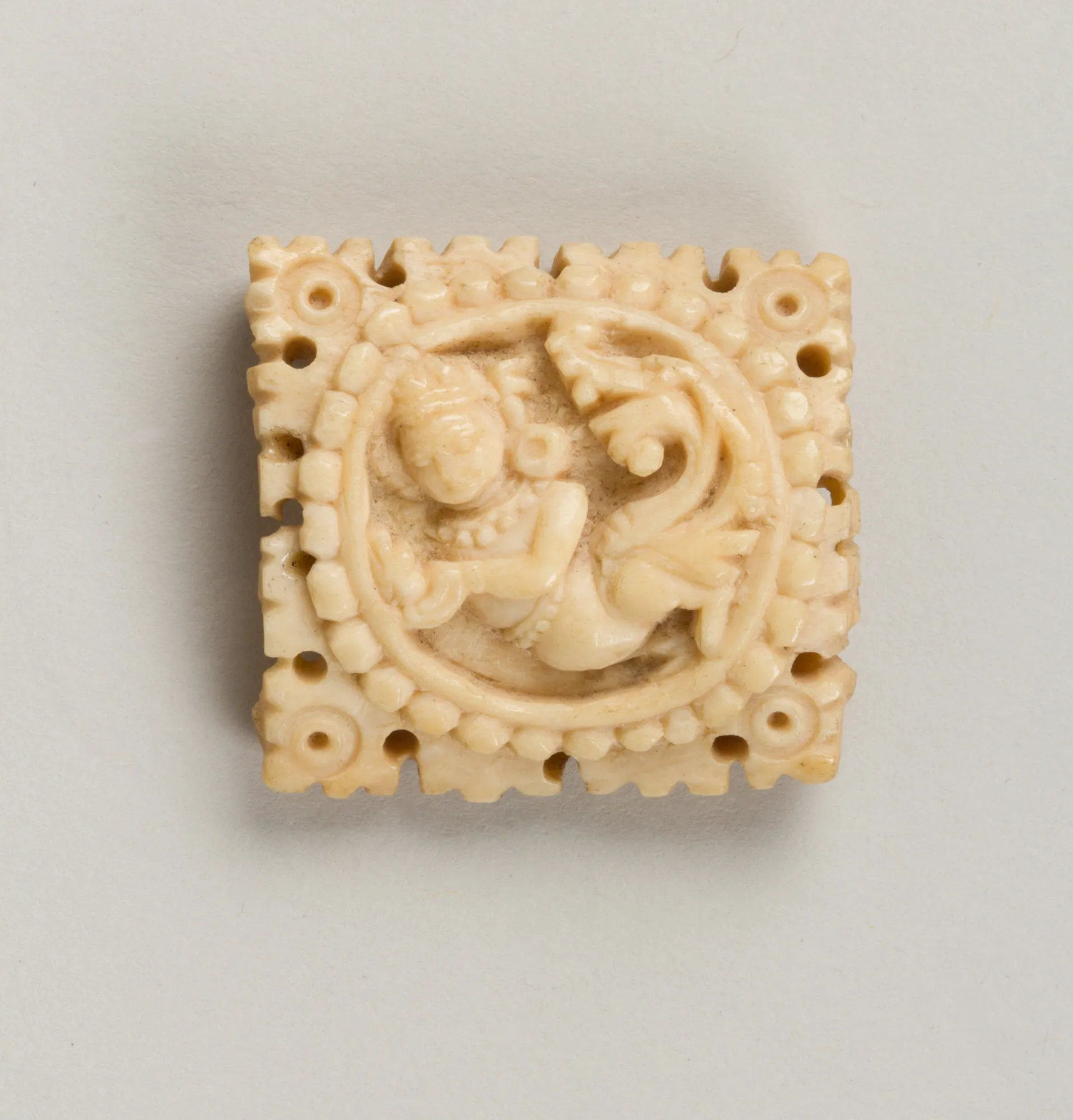
The lotus is the fourth of the Eight Auspicious Symbols and the most pervasive plant image in Buddhist art. It roots in mud, grows up through murky water and opens above the surface without a stain. This made it the standard emblem of a mind that develops within ordinary existence yet is not soiled by it. Buddhist texts also use the stages of the flower, from closed bud to full bloom, to describe the gradual opening of understanding. The lotus does not grow on the Tibetan plateau, so Tibetan painters know it through Indian and Chinese models.
As an emblem the lotus is drawn with a seed-head at the centre surrounded by rings of pointed petals, usually eight or a multiple of eight, shaded from white at the base to pink or red at the tip. Colour carries meaning. A white lotus indicates purity, a pink one is associated with the Buddha himself, a red one with compassion and the lotus family of Amitabha, and the blue night lotus, the utpala, with wisdom and with Tara and Manjushri. Deities sit or stand on a lotus throne topped by flat discs representing the moon and sun.
Lotus petals ring the bases of statues, stupas, butter lamps and ritual vases, and a band of petals forms one of the protective circles of a mandala. The flower gives its name to the lotus family, one of the five buddha families, to the six-syllable mantra of Avalokiteshvara, and to Padmasambhava, the Lotus-Born, who in traditional accounts appeared on a lotus in a lake. Deities who hold a lotus stem beside the shoulder, such as Avalokiteshvara and Tara, show by it that they act in the world while remaining free of its faults.
In the collection
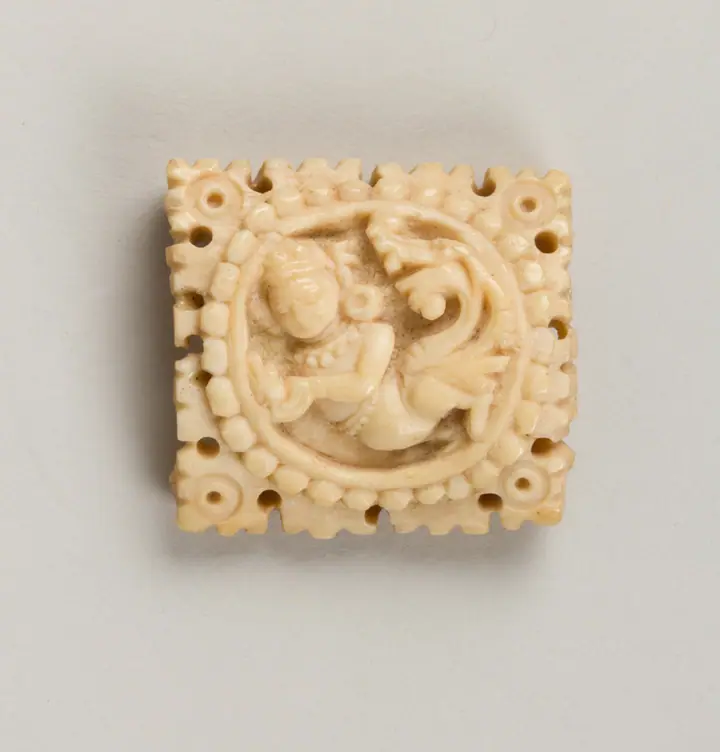
1 work in the collection relate to Lotus.
Connections
8 linked records across the archive.
Sources
References consulted for this record.
- 01Sacred lotus in religious art — Wikipedia
- 02Ashtamangala — Wikipedia
- 03Robert Beer, The Encyclopedia of Tibetan Symbols and Motifs (Shambhala, 1999)